Español
 Français
 Deutsch
 lingua italiana
 Polski
 Norsk språk
 Portugues
 العربية



Specifications
Product: tempered glass, toughened glass, tuffen glass
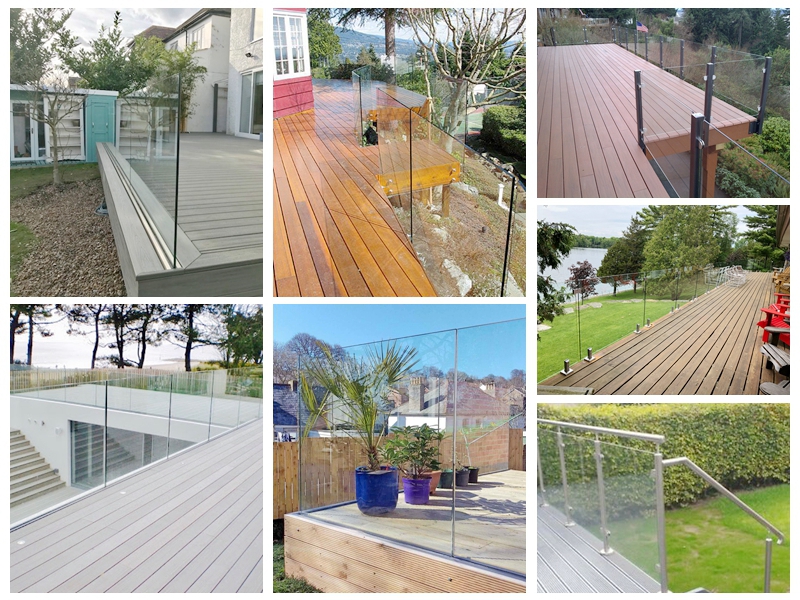
Application: glass deck railing handrail
Glass thickness: 12mm
Glass size: custom size
Glass color: clear
Glass processing: polish flat edges, drill taper holes, printed logo etc.
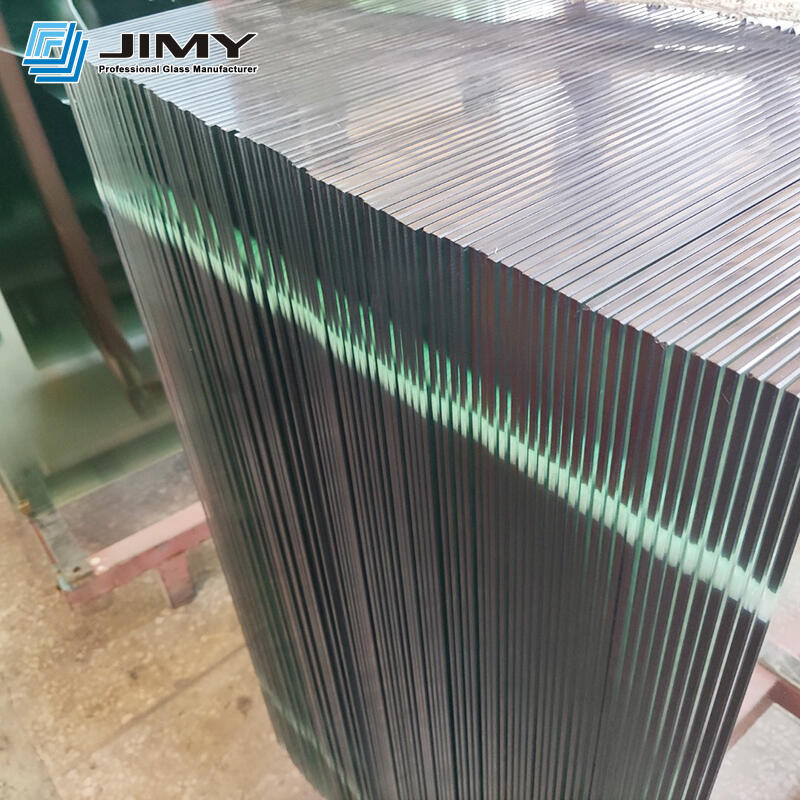
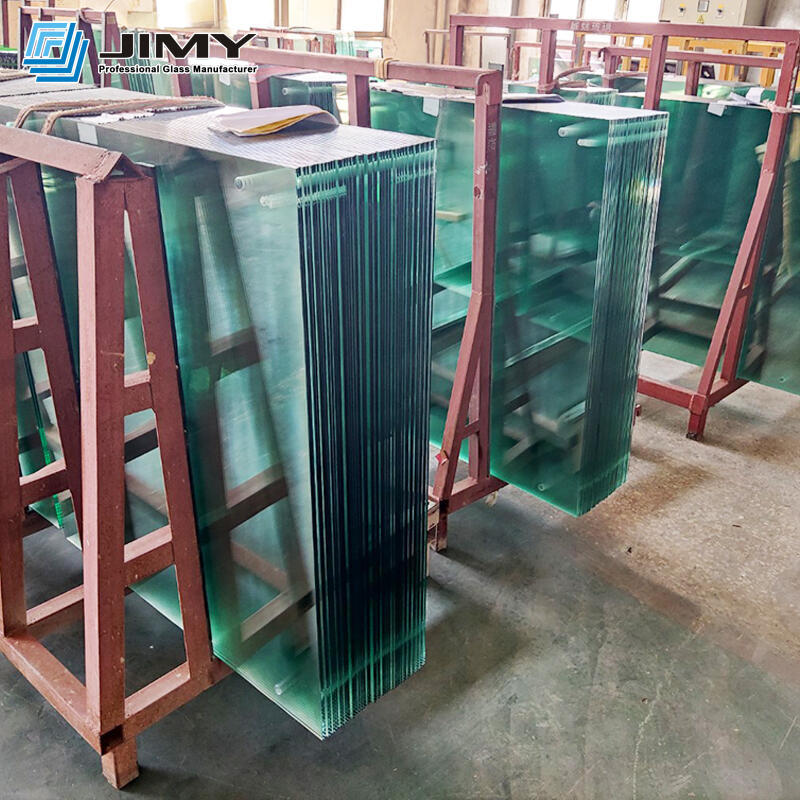
12mm Tempered Glass for Deck Railing
12mm tempering or toughening is a process where the 12mm float glass is heated at high temperatures to make it stronger and more resistant to breakage. This process creates a balance in the product’s internal stresses, so that when the glass is broken, it would crumble into tiny granular chunks instead of breaking into sharp, jagged pieces. Because of its increased strength and safety, builders and architects utilise them in a multitude of demanding applications, such as glass railing.
How to Produce Tempered Glass
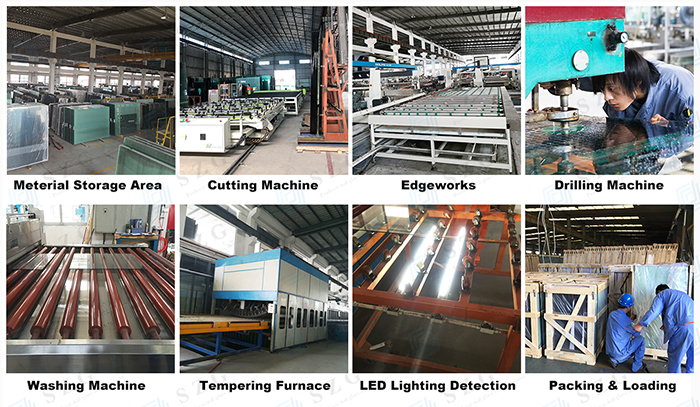
Stage 1: Before tempering, the float glass is examined for imperfections. Bubbles, inclusions, and cracks may cause the float glass to break during toughening.
Stage 2: Prior to toughening, it must first be cut to the desired shape as it won’t be possible to cut or etch the finished product in its toughened state.
Stage 3: To completely remove the grains of glass that were deposited during sanding, the float glass is thoroughly washed. This also ensures that dirt and any other tiny debris won’t interfere with the tempering.
Stage 4: In the tempering process, the surface of the float glass is heated at over 600 degrees Celsius as it travels through a furnace.
Stage 5: The scorching glass is then rapidly cooled through quenching by a high-pressure blast of air for a period of three to 10 seconds at various angles. As it cools and begins to shrink, tensile stresses temporarily build-up in the interior zone of the glass while its surface consequently develops surface stresses. These compressive stresses eventually enhance the strength of the glass, making it tougher to break.
Why Used Tempered Glass for Railing
It' s safer
The biggest advantage of tempered glass over annealed or “ordinary” glass is that it was designed for safety. Unlike annealed glass, which breaks into large and dangerous shards, tempered glass disintegrates into small granular chunks that are relatively harmless.
It' s tougher
The thermal tempering process used to manufacture tempered glass makes it much stronger than ordinary glass. Tempered glass can stand up to strong winds, direct impact from blows and bumps, and minor explosions.
It' s heat-resistant
Tempered glass can resist temperatures of up to 470 degrees Fahrenheit.
It doesn't scratch easily
The manufacturing process that makes tempered glass thermally tough also makes it scratch-resistant.
It is available in various designs and patterns
Tempered glass can be clear, frosted, engraved, stained, and patterned. It’s available in an array of patterns and designs to suit your needs.